*67 vs Virtual Phone Numbers: Which Is Better for Privacy in 2026?
Both methods hide your number — but in completely different ways. *67 shows "Unknown" and increasingly gets blocked. Virtual numbers show a real (but different) caller ID that actually gets answered. Here's when to use each.
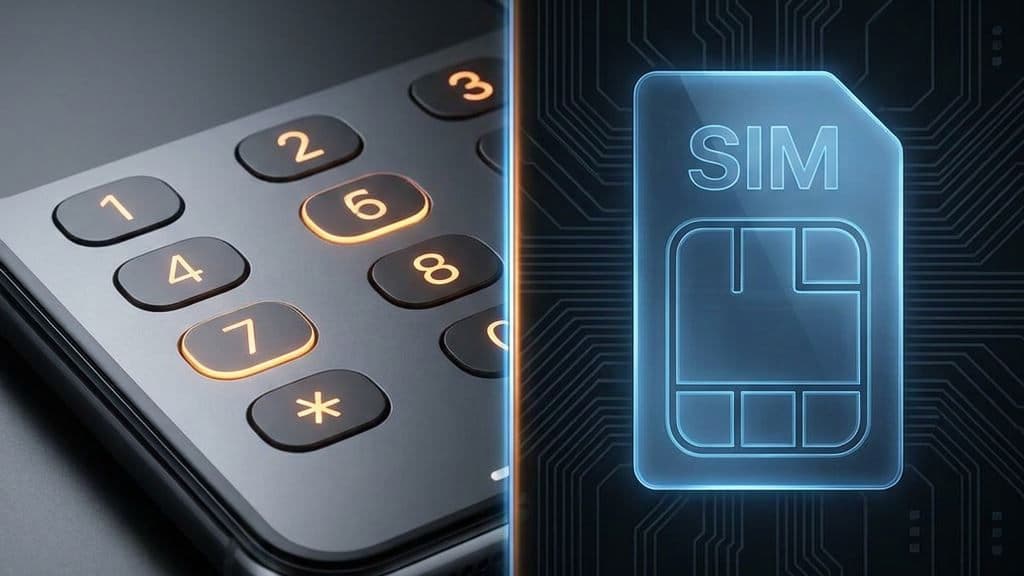
Quick Answer
Use *67 for a quick free anonymous call where you don't mind if it goes unanswered. Use a virtual number (Voizly) when the call must be answered — it shows a real caller ID, works internationally, and is still private because it's not your number.
*67 vs Virtual Numbers: Full Comparison
| Feature | *67 | Virtual Number (Voizly) |
|---|---|---|
| Recipient caller ID | 'Unknown' / 'Private' | A real phone number (not yours) |
| Answer rate | Low — many block 'Unknown' | Normal — looks like a real call |
| Works internationally | USA & Canada only | India, USA, UK, Canada, Germany, France |
| Cost | Free | $0.12/min (India, USA, UK) |
| App required | No | Yes (Voizly iOS/Android/web) |
| Permanent privacy | Per-call only | Every call automatically |
| Works on WhatsApp/VoIP | No | Native feature |
| Emergency services see real number | Yes (bypasses *67) | Yes (VoIP can be traced) |
How *67 Works — and Why It's Less Effective in 2026
*67 (or Caller ID Block) is a carrier-level feature that instructs your phone company to suppress your number on outgoing calls. When you dial *67 + number, the PSTN (Public Switched Telephone Network) signals the recipient's carrier to display "Unknown" or "Private Number" instead of your digits.
This worked well for two decades. The problem in 2026: smartphones have become aggressive about blocking anonymous calls.
Why *67 Fails More Often in 2026
- → Apple: "Silence Unknown Callers" is now on by default on many iPhones — all Unknown calls go directly to voicemail
- → Android: Google Phone app screens all Unknown calls and may auto-decline them
- → Carriers: AT&T, Verizon, and T-Mobile have "Call Filter" features that flag Private Number calls as potential spam
- → India: *67 doesn't apply for international calls — TRAI regulations govern caller ID separately
The result: a significant portion of *67 calls in 2026 never ring. The recipient's phone silently routes them to voicemail — or their carrier intercepts the call entirely.
How Virtual Numbers Work — and Why They Get Answered
A virtual phone number is a number that exists in a VoIP provider's system — not tied to any physical SIM. When you call through Voizly, your call is routed through Voizly's infrastructure and the recipient's phone displays the virtual number — a real, dialable phone number (though not your personal one).
From the recipient's perspective, the call looks exactly like any normal incoming call. Their phone rings normally. No "Unknown" tag. No spam filter. Just a number in whatever country format Voizly assigned.
Voizly Virtual Number — How It Works
- 1You open Voizly and dial the number you want to call (e.g., +91 98xxxxxxxx in India)
- 2Voizly routes the call over VoIP through its infrastructure using a virtual caller ID
- 3The recipient in India sees a phone number — not 'Unknown', not your real number
- 4You pay $0.12/min from your credit balance. Credits never expire.
Real number shown · $0.12/min · Credits never expire
When to Use *67 vs a Virtual Number
- · Quick, one-off US/Canada domestic call
- · You don't mind if it goes to voicemail
- · No budget for an app
- · Calling a business (less spam filtering)
- ✓ The call must be answered
- ✓ International calls (India, USA, UK)
- ✓ Repeated private calling
- ✓ Professional context (calling clients)
Legal Note
Both *67 and virtual numbers are legal in most countries for legitimate privacy use. Using either method for harassment, fraud, or impersonation is illegal. In the US, the Truth in Caller ID Act prohibits using any caller ID spoofing technique to defraud or harm. Voizly and legitimate VoIP services are PSTN-compliant and not spoofing tools.
Frequently Asked Questions
Is *67 still effective in 2026?
What is a virtual phone number?
Can you use *67 for international calls?
Do virtual numbers work for international calling?
Why do people use *67?
Related Guides
Go Beyond *67 — Use a Real Virtual Number
Voizly routes your call through a virtual caller ID. The recipient sees a real number. Works for India, USA, UK. $0.12/min. Credits never expire.
Buy Credits — Starting at $4.99Credits never expire · No subscription